Author: SalvationDATA Digital Forensics Team
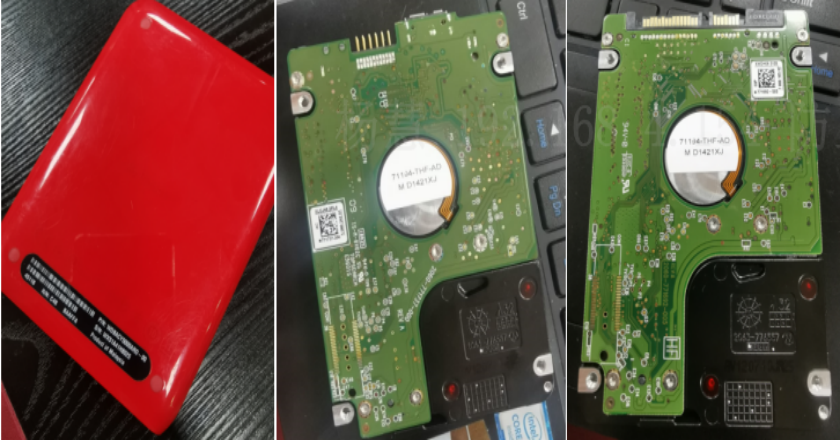
Data Recovery Tips for Western Digital Hard Disk
How Database Forensics Works on New Cybercrime Platforms?
Unlock Hidden Data with Forensic Data Recovery Services
How Can Forensic Advantage Revolutionize Investigations and Cybersecurity?
What are the 4 Common Types of Digital Forensics in 2024?
2024 Career Guide to Become a Computer Forensics Investigator
What Does a Forensic Video Analyst Do in Law Enforcement?
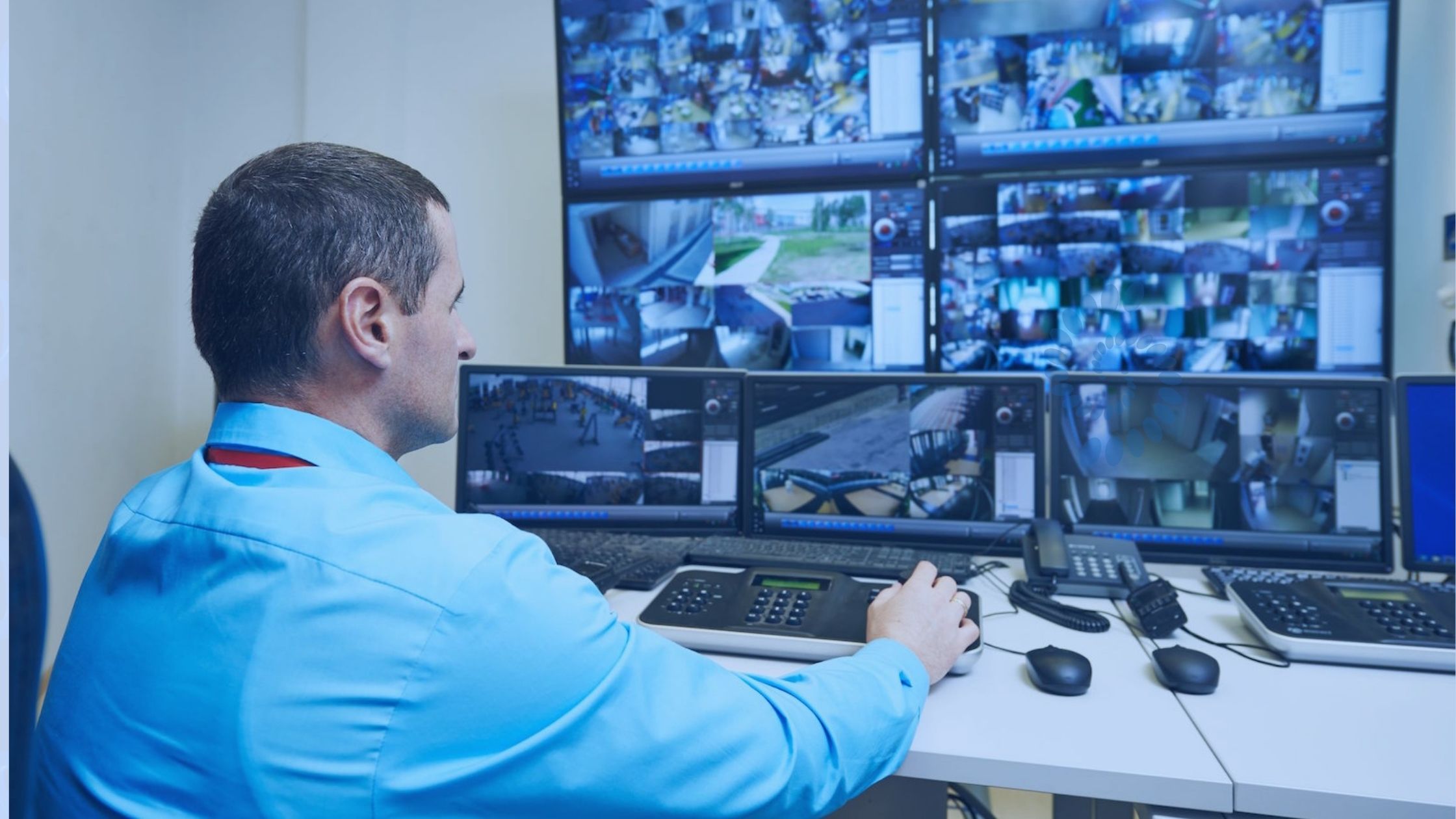
What is your image of a forensic video analyst: a geeky guy probably with thick round glasses, sitting in front of the screen—from dawn till dusk? Not necessarily! Viewing the screen and analyzing video is certainly one important function, but this is not all that a video forensic analyst does.
By definition, a professional video forensics analyst performs the scientific examination and evaluation of video evidence. But what specific functions does the scientific examination of video evidence involve?
Here, we will discuss the functions a forensic video analyst performs to help law enforcement organizations uncover the truth and present the evidence in the court of law in an admissible form.
With a wide range of devices recording billions of hours of video daily, video evidence is playing an increasingly important role in investigations, and consequently in the increased demand for forensic video analysts. People interact with different kinds of videos daily, and many believe that they can notice everything there is to notice.
But a digital video analyst in law enforcement sees a video in the proper context of the case and notices things that a casual viewer misses. An untrained person performing forensic video analysis risks missing critical details, misinterpretation of facts, and even compromising the integrity of the video evidence and rendering it invalid in the court of law.
Following are the core functions that a forensic video analyst performs in law enforcement.
Discover SalvationDATA’s Integrated Digital Forensic Lab Solution
In today’s fast-paced, technology-driven world, digital forensic investigations play a critical role in uncovering valuable evidence and solving complex cases.
As the need for efficient and effective forensic lab grows, so does the demand for comprehensive solutions to equip these facilities. Enter SalvationDATA, a leading digital forensic lab solution provider committed to revolutionizing the way forensic professionals work.
Over the years, our forensic laboratory solutions have been widely applied across various professional institutions worldwide, receiving excellent reputations and significant recognition.
Today, we will provide a comprehensive introduction to our digital forensic lab solution, exploring all the state-of-the-art offerings and showcasing how we are transforming the industry.
The Power of Motion Detection in Video Investigation
Video evidence has become increasingly important in criminal investigations and legal proceedings. With the rise of surveillance cameras and other video recording devices, law enforcement agencies and other security-related organizations have a wealth of video footage to review in order to gather evidence.
However, analyzing footage can be a time-consuming and challenging task. That’s where video investigation tools like VIP 2.0 come in.
By using advanced image processing algorithms and other techniques, these tools can help investigators quickly identify potentially relevant footage and extract valuable evidence.
What makes the tool effective and efficient?
What is worth noting is one of its key features, the motion detection function.
In this article, we’ll take a closer look at how this function works, its benefits and limitations, and how it fits into the broader field of video forensics.