
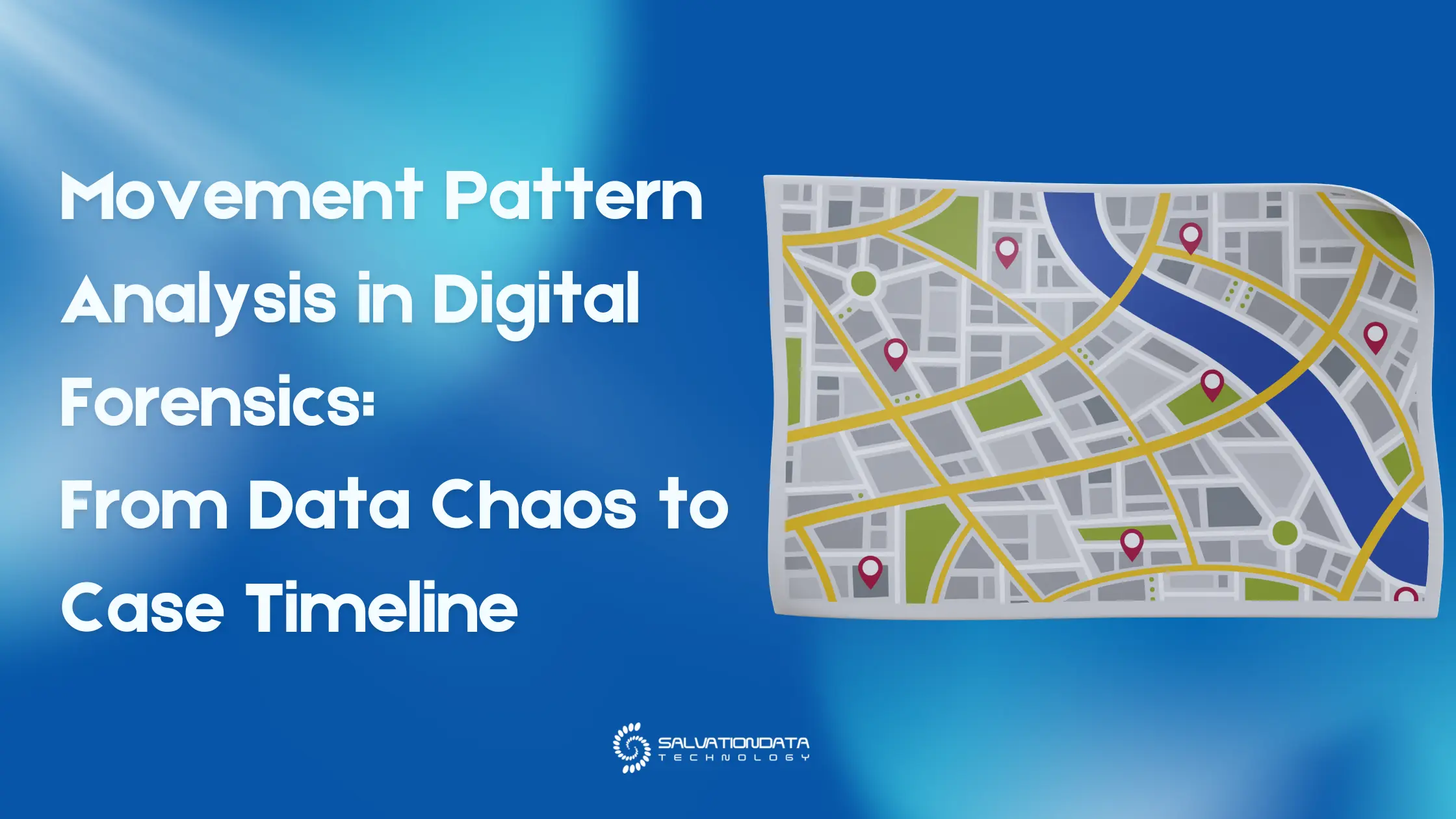
Location data rarely comes from one clean source, and the gaps between GPS, cell towers, and other records can make or break a case. Here’s why reconstructing a reliable movement timeline is harder than it looks, and what’s changing.

AI-powered investigative analytics is reshaping financial crime fund analysis—from structuring fragmented evidence to detecting transaction patterns and tracing complex fund flows. See how SalvationDATA Solution combines specialized AI algorithms with secure on-premises deployment to streamline investigations while keeping sensitive case data within the investigator’s environment.
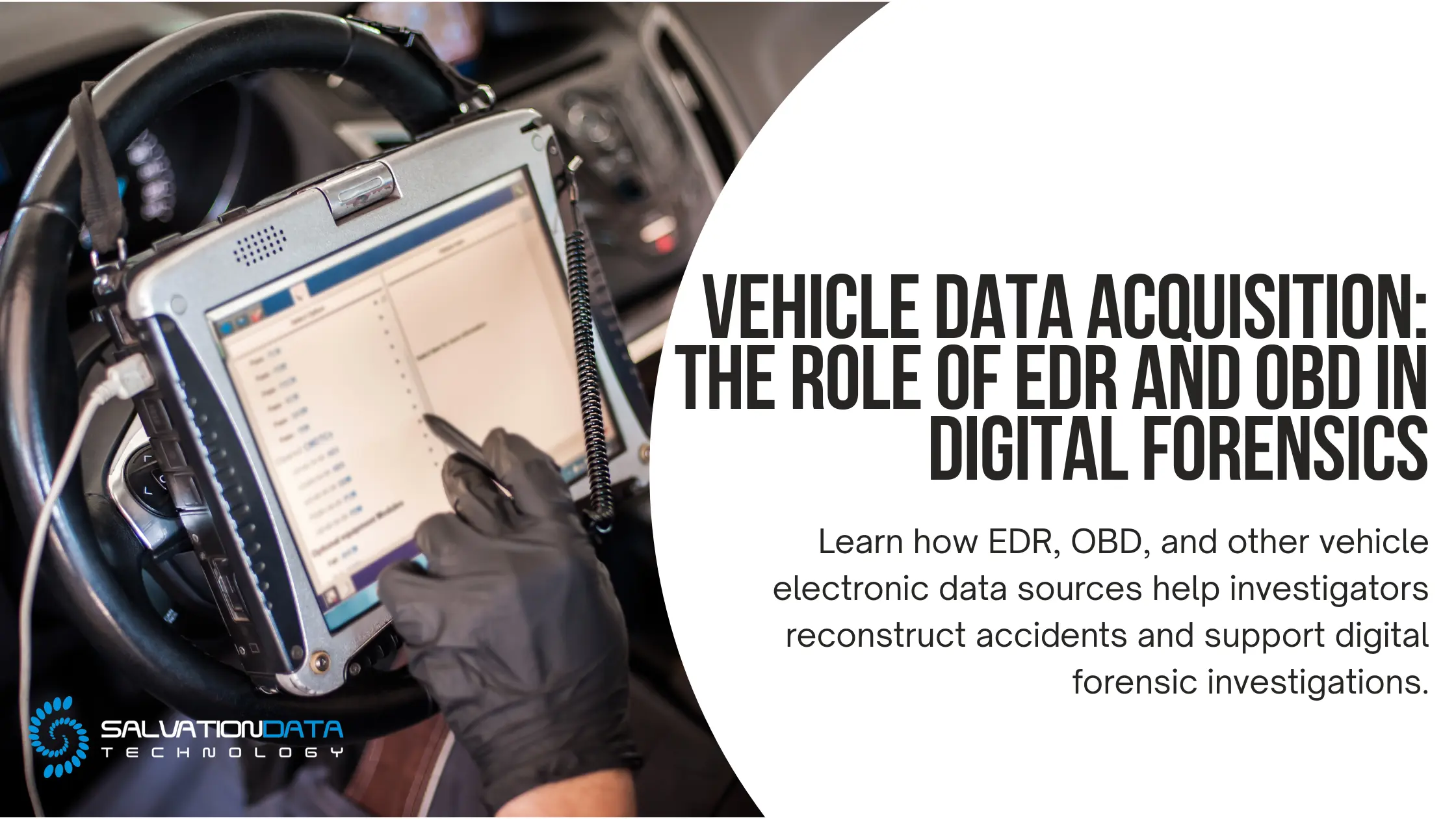
Modern vehicles now double as digital evidence sources. This guide breaks down how EDR and OBD data are located, retrieved, and analyzed in crash investigations — and how a proper vehicle forensic workflow turns raw data into courtroom-ready findings.

Artificial intelligence evidence is increasingly used in criminal investigations, raising new legal and technical questions. This article examines the key challenges surrounding the admissibility of AI evidence, including reliability, transparency, and judicial review standards in criminal justice.

Dashcam footage can be lost due to deletion, overwriting, storage damage, or file corruption. This guide explores common dashcam video recovery challenges, storage-based recovery strategies, and how professional forensic tools help restore critical video evidence.

Uncover the techniques behind Bitcoin and cryptocurrency forensics, exploring how digital currency transactions are traced and analyzed to detect illicit activities and ensure regulatory compliance.

Fuzzy hashing detects file similarities even after changes. This blog explains what fuzzy hashing is, its difference from traditional hashing, and its key role in digital forensics and cybersecurity.

GPS forensics extracts geospatial data from devices to build legal evidence. Analyzing signals reconstructs movements; challenges include encryption and cross-border laws. As IoT grows, it balances technical and legal rigor.

Explore iPhone forensics through the lens of AFU and BFU states, encryption, and data access challenges shaped by Apple’s evolving security model.
Discover how MD5 and SHA checksums guarantee file integrity. They create unique values to spot file corruption or tampering. Essential for data transfer, storage, and software checks.