

As global connectivity grows, digital forensics has become essential to modern justice systems and cybersecurity. According to Grand View Research (2023), the global digital forensics market is projected to reach $18.2 billion by 2030, with a CAGR of 12.2%. This growth is driven by the proliferation of digital devices, cloud computing, AI, and IoT. However, these same technologies have also enabled more advanced cyber threats, from AI-generated fraud to cloud-based attacks. Digital forensics professionals must balance the challenge of combating misuse with adopting new tools to strengthen investigations. This article explores how cloud computing, AI, and IoT are shaping digital forensics in 2025, along with the technical hurdles they bring.
Author: SalvationDATA Forensic Engineering Team
Cybersecurity and Digital Forensics-Their Critical Link
The 2017 WannaCry ransomware attack crippled global systems, encrypting data until ransoms were paid. While cybersecurity teams contained the breach, digital forensics experts traced its origins—highlighting their critical link: cybersecurity defends systems; digital forensics investigates breaches.
As crime evolves digitally, law enforcement and forensic teams face escalating threats. Cyberattacks disrupt infrastructure, fund crime, and exploit encrypted communications or IoT devices. Meanwhile, recovering evidence demands precision to meet legal standards.
This article clarifies how cybersecurity (preventing attacks) and digital forensics (analyzing breaches) form a lifecycle of protection and accountability. For agencies and forensic professionals, integrating both is non-negotiable. We’ll explore their synergy in combating threats, preserving evidence, and leveraging tools that bridge prevention (e.g., threat detection) and investigation (e.g., forensic imaging).
Whether securing networks or dissecting breaches, understanding this intersection ensures resilience in a hyperconnected world.
How to Recover Deleted Files: Expert Guide for Professionals
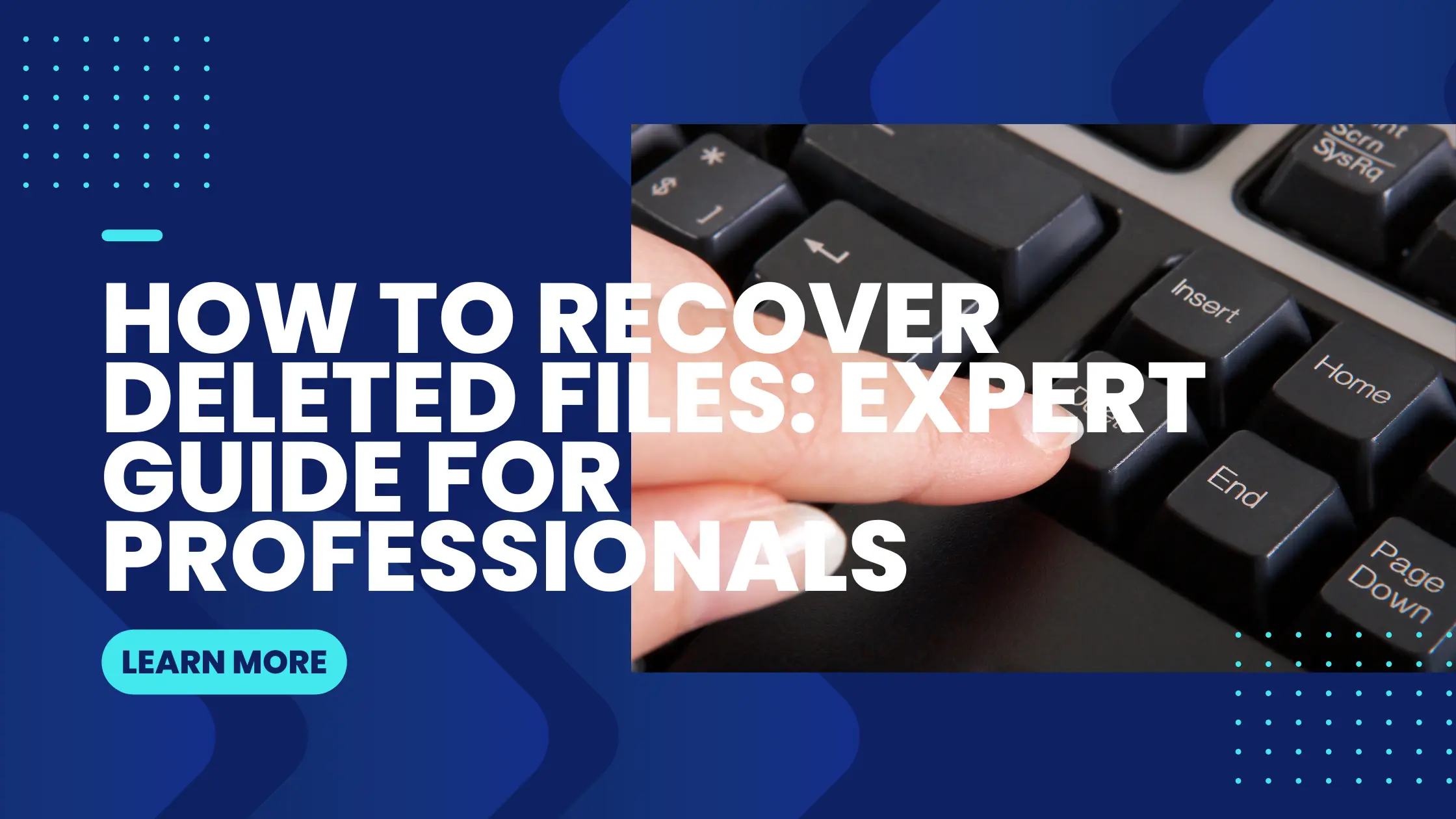
Imagine losing important files that hold critical value, either personally or professionally. It’s a scenario many dread, especially in a fast-paced digital world where data loss can occur due to accidental deletion, system crashes, or malicious attacks.
Not only is recovering erased files convenient, but it’s also necessary for companies, court cases, and people who need access to important information. Understanding how to recover deleted information may help you save time, money, and worry, regardless of your level of experience with digital forensics.
This comprehensive guide explores how to recover deleted files using advanced tools and proven strategies. From understanding the importance of file recovery in digital forensics to choosing the right tools, you’ll learn everything needed to recover data effectively and professionally.
What Is Axon Evidence? A Forensic Analysis of Axon’s AI-Powered Evidence Ecosystem
Imagine losing important files that hold critical value, either personally or professionally. It’s a scenario many dread, especially in a fast-paced digital world where data loss can occur due to accidental deletion, system crashes, or malicious attacks.
Not only is recovering erased files convenient, but it’s also necessary for companies, court cases, and people who need access to important information. Understanding how to recover deleted information may help you save time, money, and worry, regardless of your level of experience with digital forensics.
This comprehensive guide explores how to recover deleted files using advanced tools and proven strategies. From understanding the importance of file recovery in digital forensics to choosing the right tools, you’ll learn everything needed to recover data effectively and professionally.
How to Find Hidden Photos on iPhone (2026 Guide)

Imagine losing important files that hold critical value, either personally or professionally. It’s a scenario many dread, especially in a fast-paced digital world where data loss can occur due to accidental deletion, system crashes, or malicious attacks.
Not only is recovering erased files convenient, but it’s also necessary for companies, court cases, and people who need access to important information. Understanding how to recover deleted information may help you save time, money, and worry, regardless of your level of experience with digital forensics.
This comprehensive guide explores how to recover deleted files using advanced tools and proven strategies. From understanding the importance of file recovery in digital forensics to choosing the right tools, you’ll learn everything needed to recover data effectively and professionally.
Recently Deleted Messages: How to Recover Deleted Texts on iPhone and Android
Imagine losing important files that hold critical value, either personally or professionally. It’s a scenario many dread, especially in a fast-paced digital world where data loss can occur due to accidental deletion, system crashes, or malicious attacks.
Not only is recovering erased files convenient, but it’s also necessary for companies, court cases, and people who need access to important information. Understanding how to recover deleted information may help you save time, money, and worry, regardless of your level of experience with digital forensics.
This comprehensive guide explores how to recover deleted files using advanced tools and proven strategies. From understanding the importance of file recovery in digital forensics to choosing the right tools, you’ll learn everything needed to recover data effectively and professionally.
Top Digital Forensics Software in 2026: A Practical Buyer’s Guide

Last Update: 2026-9-4
Digital forensics software is a category of specialized tools used to acquire, preserve, and analyze data from computers, mobile devices, memory, and cloud accounts for legal or investigative purposes. In 2026, the category has expanded well beyond disk imaging and file recovery — modern platforms now need to handle cloud evidence, endpoint triage at scale, and increasingly, AI-assisted analysis of large evidence sets.
This guide compares the tools we use most often, organized by the specific job each one is actually good at — rather than a single flat ranking — because “best” depends entirely on whether you’re doing courtroom-grade disk forensics, mobile extraction, memory analysis, or incident response triage.
Secure 2025: Top Data Loss Prevention Solutions

Imagine losing important files that hold critical value, either personally or professionally. It’s a scenario many dread, especially in a fast-paced digital world where data loss can occur due to accidental deletion, system crashes, or malicious attacks.
Not only is recovering erased files convenient, but it’s also necessary for companies, court cases, and people who need access to important information. Understanding how to recover deleted information may help you save time, money, and worry, regardless of your level of experience with digital forensics.
This comprehensive guide explores how to recover deleted files using advanced tools and proven strategies. From understanding the importance of file recovery in digital forensics to choosing the right tools, you’ll learn everything needed to recover data effectively and professionally.
How to Use Hashcat: Step-by-step Guide for Password Recovery
Imagine losing important files that hold critical value, either personally or professionally. It’s a scenario many dread, especially in a fast-paced digital world where data loss can occur due to accidental deletion, system crashes, or malicious attacks.
Not only is recovering erased files convenient, but it’s also necessary for companies, court cases, and people who need access to important information. Understanding how to recover deleted information may help you save time, money, and worry, regardless of your level of experience with digital forensics.
This comprehensive guide explores how to recover deleted files using advanced tools and proven strategies. From understanding the importance of file recovery in digital forensics to choosing the right tools, you’ll learn everything needed to recover data effectively and professionally.
Harnessing Logical Evidence in Digital Forensics Investigations

Imagine losing important files that hold critical value, either personally or professionally. It’s a scenario many dread, especially in a fast-paced digital world where data loss can occur due to accidental deletion, system crashes, or malicious attacks.
Not only is recovering erased files convenient, but it’s also necessary for companies, court cases, and people who need access to important information. Understanding how to recover deleted information may help you save time, money, and worry, regardless of your level of experience with digital forensics.
This comprehensive guide explores how to recover deleted files using advanced tools and proven strategies. From understanding the importance of file recovery in digital forensics to choosing the right tools, you’ll learn everything needed to recover data effectively and professionally.


