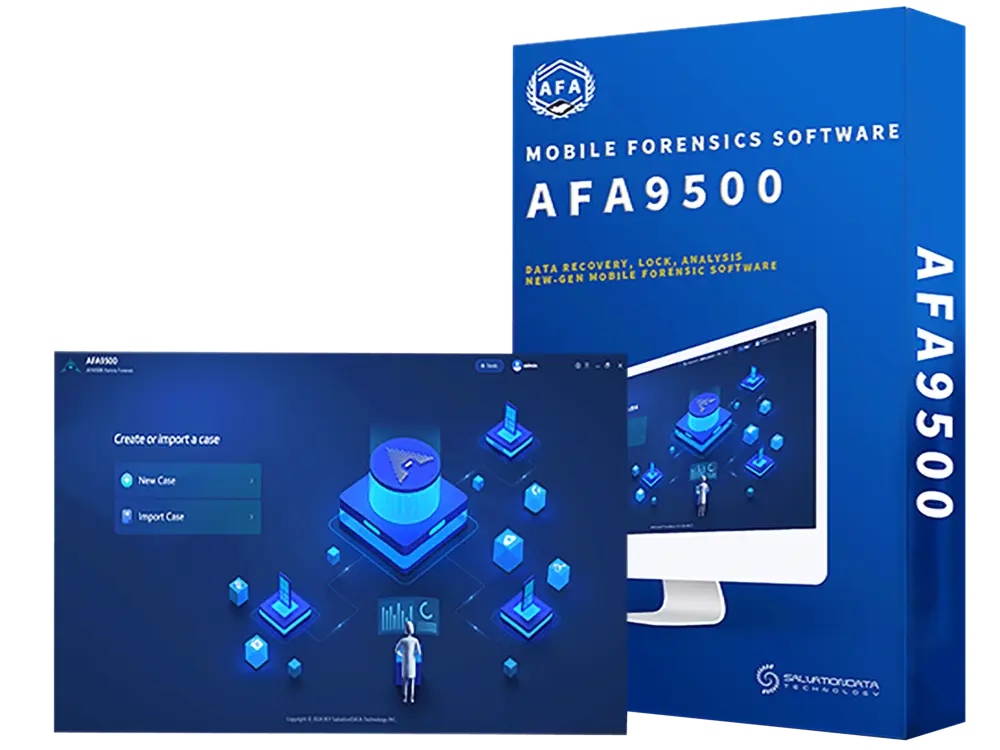
How to Choose the Right Digital Forensics Software?
1. Match the Tool to Your Sector’s Constraints
Law enforcement needs strict chain-of-custody and court-admissibility features; commercial organizations prioritize speed and data security; incident response teams need fast triage over exhaustive analysis. Start from your regulatory and operational constraints, not the feature list.
2. Individual Tools vs. a Full Suite
Point tools are cheaper and often better at one specific job (e.g., Volatility for memory). A suite (FTK, AXIOM) reduces tool-switching overhead when a case spans multiple evidence types, at a higher cost.
3. Privacy, Security, and Evidentiary Integrity
Confirm encryption, authentication, and write-protection features, and verify the vendor’s compliance posture before purchase — this isn’t optional for evidence that needs to hold up in court.
4. Open-Source vs. Proprietary Tools
Open-source tools (Autopsy, Volatility, Sleuth Kit) offer flexibility and no license cost but demand more in-house expertise. Proprietary tools trade cost for a shorter ramp-up time and vendor support.
5. Total Cost, Not Just License Price
Factor in training time, hardware requirements, and support costs alongside the sticker price — a “free” tool that takes weeks of specialist ramp-up isn’t necessarily the cheapest option for a small team.
Selecting the best digital forensics software necessitates careful consideration of a wide range of factors. Successful digital investigations and process integrity and reliability can be ensured by matching the tool with business goals, security standards, user expertise, and budget.
How to Choose the Right Digital Forensics Software?
1. Match the Tool to Your Sector’s Constraints
Law enforcement needs strict chain-of-custody and court-admissibility features; commercial organizations prioritize speed and data security; incident response teams need fast triage over exhaustive analysis. Start from your regulatory and operational constraints, not the feature list.
2. Individual Tools vs. a Full Suite
It’s up to you to decide if you need to buy individual tools or a suite to handle the job at hand. While individual programs have their uses, it is often more efficient to use several together. A forensics software suite, on the other hand, is a more comprehensive solution that can address multiple problems simultaneously, which can speed things up and make things easier during an investigation.
3. Privacy, Security, and Evidentiary Integrity
Confidentiality and security are of paramount importance in the field of digital forensics. The selected digital forensics software should prevent unauthorized parties from accessing the data during the review process. Always check for defensive features like encryption, authentication, and write-protection that provide an extra degree of protection for the tool. Before buying, make sure the product has been thoroughly inspected for safety flaws and conforms to all relevant regulations and standards.
4. Open-Source vs. Proprietary
Although it may take more technical know-how to effectively maintain and update open-source software, the benefits of its greater flexibility and personalization are often worth the learning curve. Many proprietary systems have intuitive interfaces and one-on-one support to help new users get up and running quickly. Many considerations go into making this decision, such as the skill level of the team, the need for unique capabilities, and a preference for either free or paid maintenance.
5. Total Cost, Not Just License Price
Factor in training time, hardware requirements, and support costs alongside the sticker price — a “free” tool that takes weeks of specialist ramp-up isn’t necessarily the cheapest option for a small team.