What is Data Forensics?
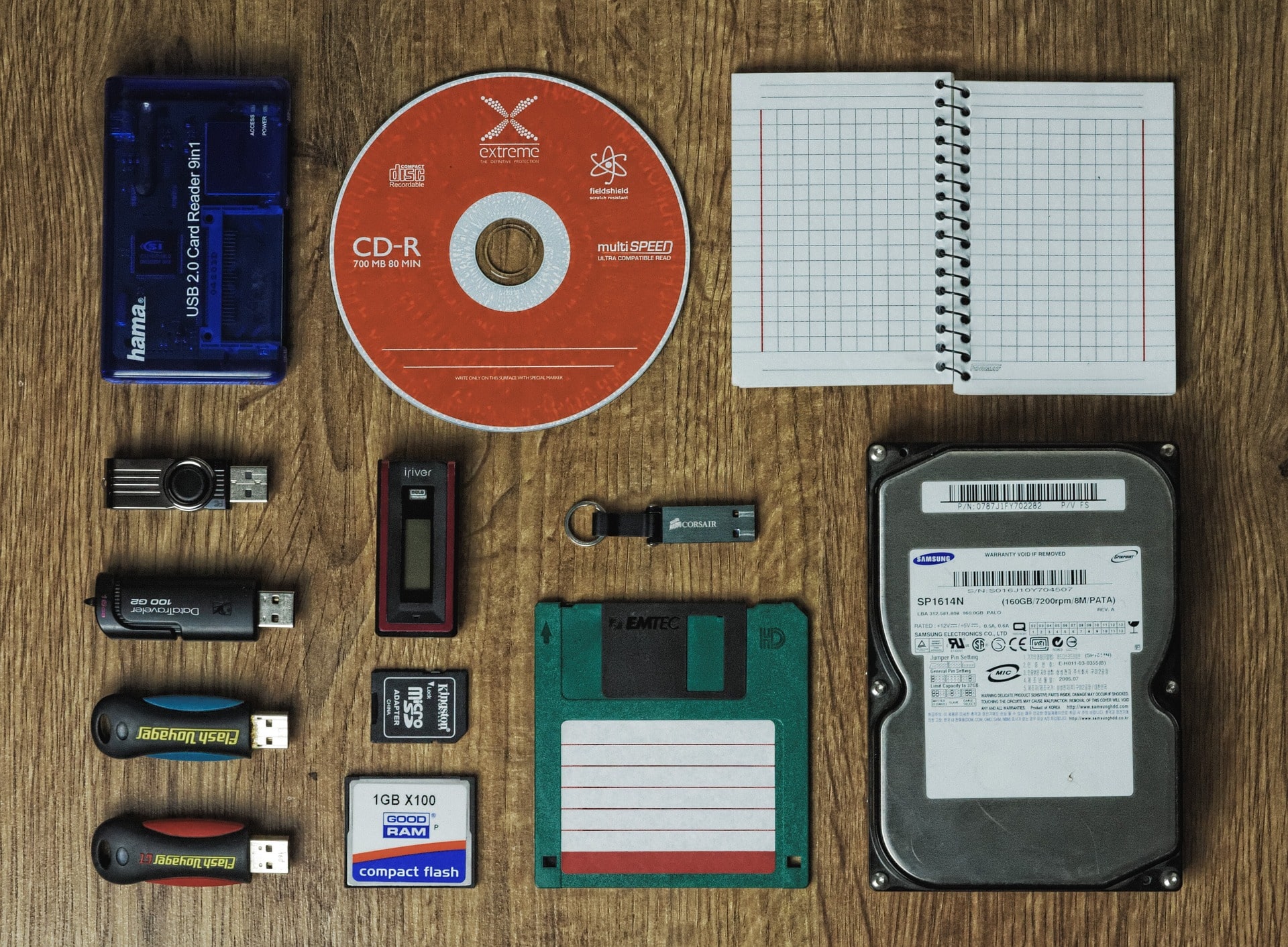
Data forensics, also known as computer forensics, examines digital data to determine how it is created, stored, used, and transmitted. It encompasses the identification, preservation, recovery, analysis, and presentation of digital evidence across computers, mobile devices, servers, networks, and other storage media, and is widely used to investigate security incidents, recover deleted data, and trace digital communications.
In practice, data forensics analyzes both persistent data stored on devices and volatile data generated by active systems. Investigators rely on advanced techniques such as log analysis, metadata examination, system tracing, decryption, and deep system searches to reconstruct events and uncover unauthorized activity. By integrating these methods, data forensics supports legal investigations while helping organizations strengthen cybersecurity and protect digital assets.
The data forensics process typically consists of four key stages:
- Acquisition: Collecting digital data in a forensically sound manner.
- Examination: Identifying and extracting relevant information from collected data.
- Analysis: Interpreting the data to reconstruct events and identify evidence.
- Reporting: Documenting findings for technical or legal use.
Once data has been properly acquired and prepared through these stages, investigators move into the analytical phase, where advanced techniques are applied to transform raw information into actionable insights.
Data forensics relies on a range of advanced techniques to ensure accurate and actionable insights:
- Log Analysis: Examining system and network logs to trace suspicious activities and pinpoint the origin of breaches.
- Metadata Inspection: Scrutinizing file metadata to uncover details such as creation dates, modifications, and user access patterns.
- System Tracing: Monitoring system activities and processes to detect anomalies and track unauthorized changes in real-time.
By using all of these methods together, data forensics not only fixes complicated breaches but also makes security stronger, which helps businesses stay ahead of hackers.
Data Forensics Challenges
Data forensics faces multiple challenges across technical, legal, and administrative domains. Technically, encryption, large or complex storage structures, and anti-forensics techniques can hinder evidence collection and analysis. Legally, attribution issues arise when malware such as trojans execute malicious actions without the user’s knowledge, making it difficult to determine whether cybercrimes were intentional or automated. Administratively, the field lacks standardized procedures and regulatory oversight, leaving no unified framework to ensure that data forensic professionals are qualified and competent.