18 Areas of Computer Forensics Services in a Nutshell: A Practical Guide for Digital Investigations

Knowledge
2022-05-23

Computer forensics services extend far beyond the traditional idea of simply extracting deleted files. It is a highly diversified and technically demanding discipline in which every investigation challenges the examiner’s expertise and judgment. A complete forensic investigation includes lawful evidence acquisition, forensic imaging, data parsing, timeline reconstruction, artifact correlation, and legally defensible reporting. With validated methods and the right skill set, investigators can recover data that criminals deliberately try to hide, encrypt, or destroy. Modern investigations now span computers, mobile devices, cloud environments, networks, and encrypted platforms, making full-spectrum computer forensics services more critical than ever. This guide provides a structured overview of the 18 core areas of computer forensics services and the real-world challenges they address.

Below are the 18 most essential areas of computer forensics services applied in real-world digital investigations today.
1. Intellectual property theft

intellectual property

In the digital age, easy access to information offers numerous benefits, but it also increases the risk of intellectual property theft, especially for digital products. In corporate environments, malicious insiders can often steal sensitive data with little more than a flash drive, going unnoticed until it’s too late.

However, when suspicion arises, companies can rely on expert computer forensics services to investigate. The good news is that with the right tools and methods, intellectual property theft can often be traced back to the perpetrators, provided there are enough digital clues to uncover.

2. eDiscovery

ediscovery

eDiscovery, or forensic electronic discovery, is the process of identifying, collecting, and analyzing digital evidence for legal proceedings, covering a wide range of digital content such as emails, documents, presentations, videos, and audio files. In corporate disputes, intellectual property theft, and regulatory compliance cases, eDiscovery is crucial for uncovering key evidence, like emails or contracts, that can help establish timelines and validate claims. Forensic experts rely on advanced, industry-grade tools to handle large data volumes, using techniques like keyword searching, file metadata analysis, and data carving to extract relevant information in a forensically sound manner. Tools such as Digital Forensic Labs ensure that the extracted evidence is preserved and presented in a court-admissible format.

3. Tracing email

tracing email

Tracing email in computer forensics involves analyzing email headers, metadata, and content to verify authenticity, identify the true sender, and uncover tampering. Forensic experts use header analysis, digital signature verification, and content inspection to ensure evidence integrity. Challenges include encrypted communications and spoofed sender information, requiring advanced skills and strict adherence to legal protocols to ensure admissibility. Email forensics is vital for detecting fraud, cybercrimes, and other criminal activities, demanding precision and expertise to maintain trustworthy evidence.

4. Computer forensics

harddisk detach

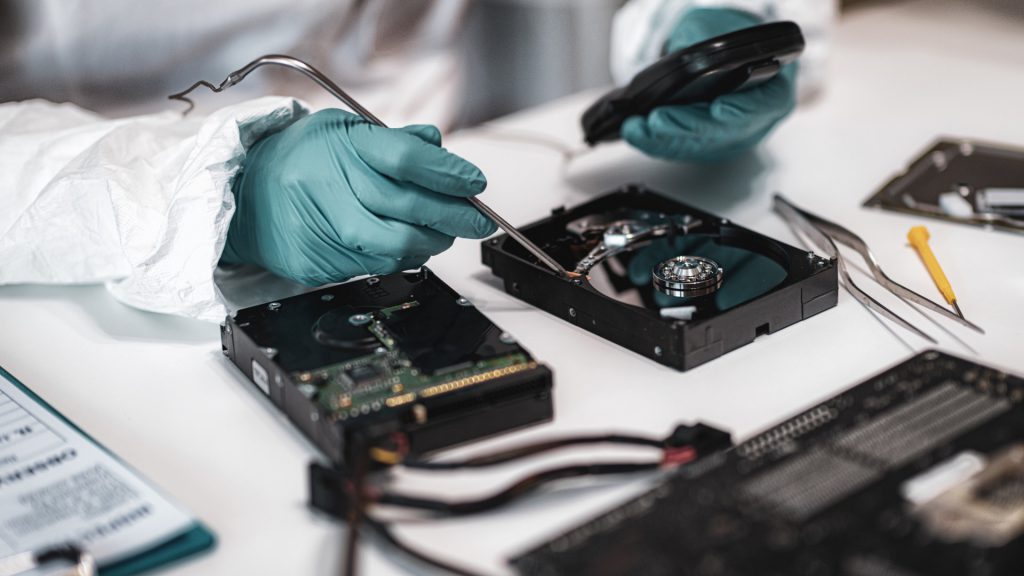
In recent years, computer and internet crime has been on the rise (the FBI received a grand total of 847,376 cybercrime complaints in 2021). This is due to the simple fact that computers and smart devices play an increasingly more prominent role in our society and day-to-day life.

A major part of forensic computer services is investigating the digital traces left behind by criminals and would-be hackers.

This can be:

  • Analyzing video footage
  • Going through computer logs
  • Tracing an IP address
  • Extracting data from encrypted files
  • Complete Database Forensics
  • etc.

Computer forensics is a much more extensive subject than it seems. After all, even a smartphone is in essence a computer that’s tailored to a specific purpose. And as time goes on, other types of digital devices may emerge, so digital forensics experts face a constant need to broaden their horizons.

5. Authentication of files

fingerprint

In today’s digital era, creating a professional-looking file requires only basic computer literacy, thanks to readily available software. However, this ease of use also makes document forgery simpler than ever. For instance, someone could easily alter a payment statement by changing a few numbers or modifying the date on an official document. One crucial aspect of computer forensics services is verifying the authenticity of such documents. Experts employ advanced techniques like metadata analysis, file hashing, and digital signature verification to detect alterations. By examining metadata for inconsistencies, comparing hash values to ensure file integrity, and validating digital signatures, forensic professionals can confirm whether the document is legitimate or has been tampered with. These methods ensure that only authentic documents are accepted as evidence in legal proceedings.

6. Mobile forensics technology

mobile

Mobile device forensics focuses on the extraction and analysis of digital evidence from smartphones, tablets, and other embedded mobile systems. It is widely applied in cases involving fraud, cyberstalking, drug trafficking, and organized crime, where call logs, chat records, app data, and location history provide critical behavioral evidence. Investigators rely on logical, file system, and physical extraction techniques, combined with app-level artifact analysis. However, encryption, frequent OS updates, locked bootloaders, and cloud-dependent data storage continue to present significant technical challenges. So a mobile device investigator will need to use professional digital forensics services like the tool AFA9500 to recover the data.

7. Recovering data

data recovery image

Data recovery in computer forensics involves retrieving lost, deleted, or corrupted information from storage devices while preserving evidentiary integrity. It is crucial in cases where files have been deleted, damaged, or obscured, such as fraud investigations or insider threat analysis. For instance, DRS by SalvationDATA is a digital forensic tool that can perform comprehensive data recovery while maintaining the original file’s integrity. Thanks to its advanced functionality, investigators can also examine a file’s usage history, previous versions, creator information, and more. Recovery methods typically include forensic imaging, file carving, metadata reconstruction, and specialized tools, with results verified through cryptographic hashes. Challenges include encryption, damaged drives, overwritten files, and SSD-specific limitations, all requiring careful handling to ensure legal admissibility.

8. IT control and audit

audit

Auditing is a crucial but often overlooked service within computer forensics. Many businesses, lacking the necessary IT expertise, struggle to configure and optimize their systems effectively, making IT auditing services highly valuable. By engaging an IT control and audit expert, business owners can gain a deeper understanding of their IT infrastructure, identify vulnerabilities, optimize network performance, and ensure that there are no cybersecurity risks or leaks that could lead to serious consequences. These audits help protect sensitive data and improve system resilience, providing business owners with the confidence that their digital assets are secure and compliant with industry standards.

9. Expert witnesses

expert witness

Oftentimes, digital forensics experts are summoned to court to testify as an expert witness. This is someone who has the proper education and knowledge on the subject so they can help shed some light on the truth of the matter and help the court reach a sensible conclusion.

Their area of expertise can be anything related to the digital investigation process or even malware, data breaches, video footage analysis, etc.

10. Family law

family law

Indeed, digital forensics experts play an important role in all sorts of legal proceedings, including family law.

As an example, a forensic analysis of email may reveal vital evidence of a spouse’s infidelity. It can also reveal whether the spouse is hiding assets, which is one of the tactics often used during divorce proceedings to avoid paying what is due.

11. Computer hacking investigations

using laptop

Computer hacking is on the rise, whether as part of white-collar crime or due to unauthorized access. According to Norton, over 800,000 people are hacked annually. In many cases, victims may not realize they’ve been compromised until their sensitive information is stolen and misused. If you suspect unauthorized access or any signs of a security breach, it’s crucial to act quickly and seek assistance from qualified IT and cybersecurity professionals. These experts can help identify vulnerabilities, mitigate risks, and safeguard your digital assets from further harm.

12. Workplace and fraud investigation

fraud

The workplace can be a breeding ground for both questionable and illegal activities. These range from minor distractions, like watching videos during work hours, to more serious offenses, such as stealing company secrets and leaking them to competitors. In cases where suspicion arises, a digital forensics expert can conduct a discreet investigation. A forensic document examiner may analyze an employee’s device and email correspondence, looking for digital traces of criminal activity. This process helps uncover evidence of misconduct, ensuring that companies can take appropriate action to protect their sensitive information.

13. Internet investigation

hacker

The modern way of life, from shopping and banking to communication, relies heavily on the internet. However, there is a darker side to the web where illicit activities flourish. Crimes such as extortion, stalking, bullying, and slander are prevalent in this hidden realm, known as the dark web, where individuals engage in illegal dealings while attempting to mask their identities. Digital forensic investigators play a crucial role in uncovering these activities, utilizing advanced techniques to track down perpetrators and bring them to justice.

14. Search warrants

search warrant

In case the police have a legitimate and lawful reason to search someone’s home and seize their devices, they will require computer forensics services to properly extract and secure the evidence that may be present on them.

To make sure the evidence is admissible in court, the proper protocol needs to be followed and the chain of custody must be well documented.

15. Media conversion

play mobile phone

The legal system can have very specific requirements regarding what files and file formats are acceptable and what aren’t.

That’s why it’s often necessary to employ modern cyber forensic services like the tool VIP 3.0 and its Ultra Transcoder feature that allows for lossless media conversion and thus preserves the integrity of the evidence.

16. Data imaging

text message

In the digital age, the ease of copying files has made it easier than ever to duplicate sensitive information. However, when it comes to forensically sound evidence handling, simple duplication is not enough. Imaging, the process of creating a bit-for-bit copy of a device’s storage, ensures that the integrity of the data is preserved without altering or damaging the original evidence. Digital forensic investigators rely on imaging techniques to create exact replicas of storage devices, enabling them to analyze the data while maintaining its legal admissibility. This method is critical in investigations, where the chain of custody and data integrity are paramount for successful prosecution.

17. Document searches

discovery

In the old days, a digital forensics examiner would have to manually go through every file that’s stored on a device to extract the vital parts.

But thanks to modern digital forensics solutions like DRS by SalvationDATA, all the files can be extracted at the click of a button, which is a major competitive advantage for those who offer computer forensics services.

Contact us for a Free Trial now!

18. Electronic surveillance

video forensic analyst

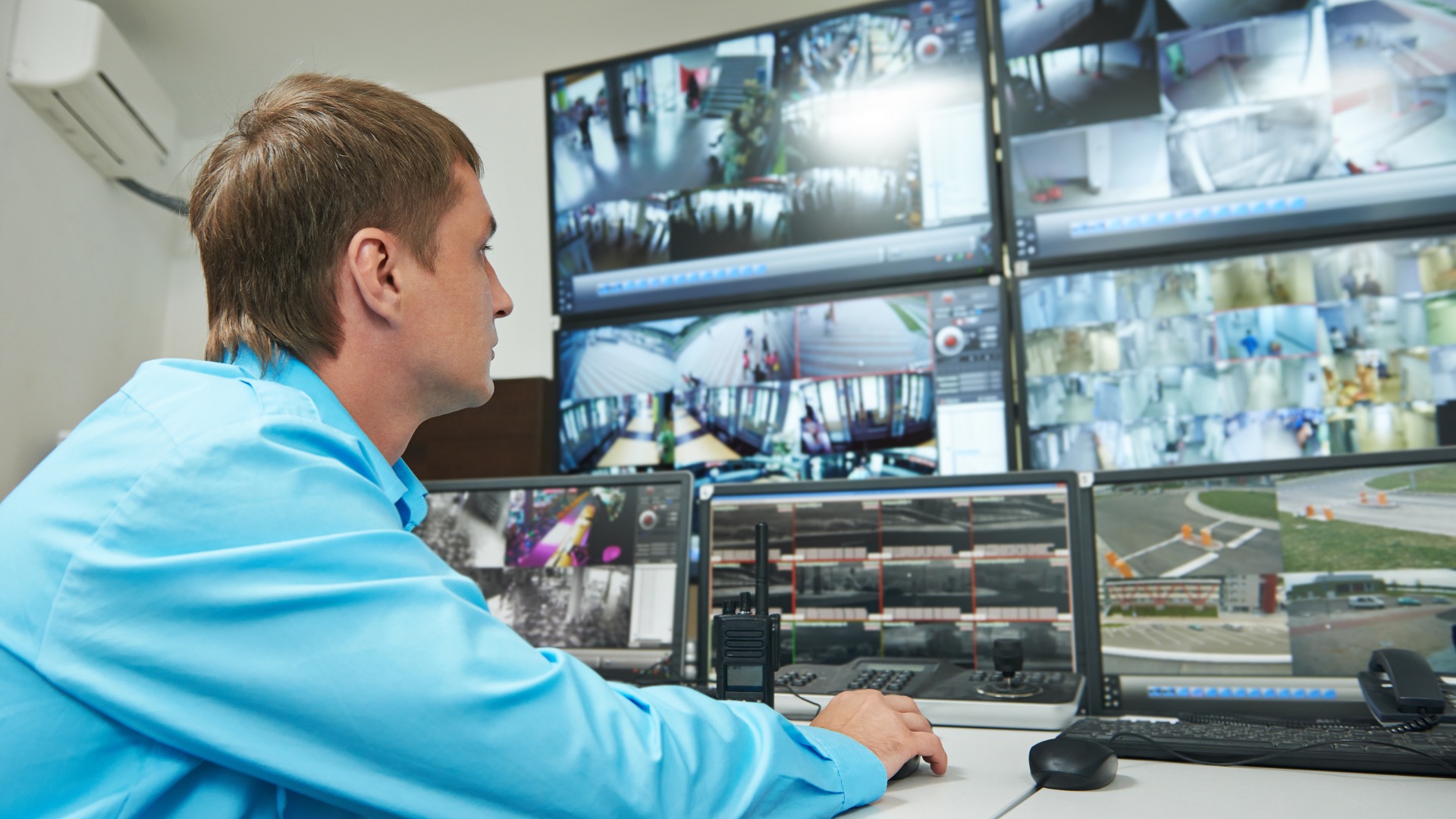
Sometimes, a digital forensic expert is tasked with electronic surveillance, whether it be setting up the system, monitoring the premises, or analyzing the video footage with the help of sophisticated digital forensics tools such as VIP 3.0.

Contact us for a Free Trial now!

A part of the job may require the identification of objects and individuals in the camera’s lens or perhaps even measuring where a vehicle is headed and at what speed.

VIP 2.0 allows you to make accurate calculations like this on the fly.

FAQ

What is the most commonly used computer forensics service?

Disk forensics and mobile device forensics remain the most widely applied services in most criminal and corporate investigations.

Are digital forensic results admissible in court?

The duration depends on factors such as data volume, device condition, encryption status, and case complexity. It can range from a few hours for basic acquisitions to several weeks for large-scale or multi-device investigations.

How long does a computer forensic investigation take?

The duration depends on factors such as data volume, device condition, encryption status, and case complexity. It can range from a few hours for basic acquisitions to several weeks for large-scale or multi-device investigations.

What tools are used in computer forensic investigations?

Investigators typically use forensic data recovery/acquisition systems, forensic imaging tools, analysis and parsing software, and secure forensic workstations. Different tools are applied depending on whether the target is a computer, mobile device, cloud platform, or network environment.

How is evidence integrity preserved during forensic acquisition?

Evidence integrity is preserved through write-blocking technology, hash verification, controlled acquisition procedures, and strict documentation throughout the entire chain of custody.

Do computer forensic services violate personal privacy?

Legitimate computer forensic investigations must strictly comply with local laws and regulations. Evidence acquisition is conducted only under legal authorization, ensuring a balance between investigation needs and personal privacy protection.

What are the limitations of computer forensic services?

Key limitations include full-disk encryption, damaged storage media, volatile memory loss, cloud data retention policies, and the increasing use of anti-forensic techniques.

Conclusion

As you can see, computer forensics services are as rich and varied as you can imagine.

By reaching the end of this article, you now have a better idea of what challenges one may encounter in this line of work and what software tools come in handy to overcome them and complete the job.