
Logging out doesn’t delete your app data — it only ends the server session, leaving local data residue on the device. This piece explores how that gap creates security risks for everyday users and forensic opportunities for investigators, featuring a real case of recovering Telegram data from a locked device using AFA9500.
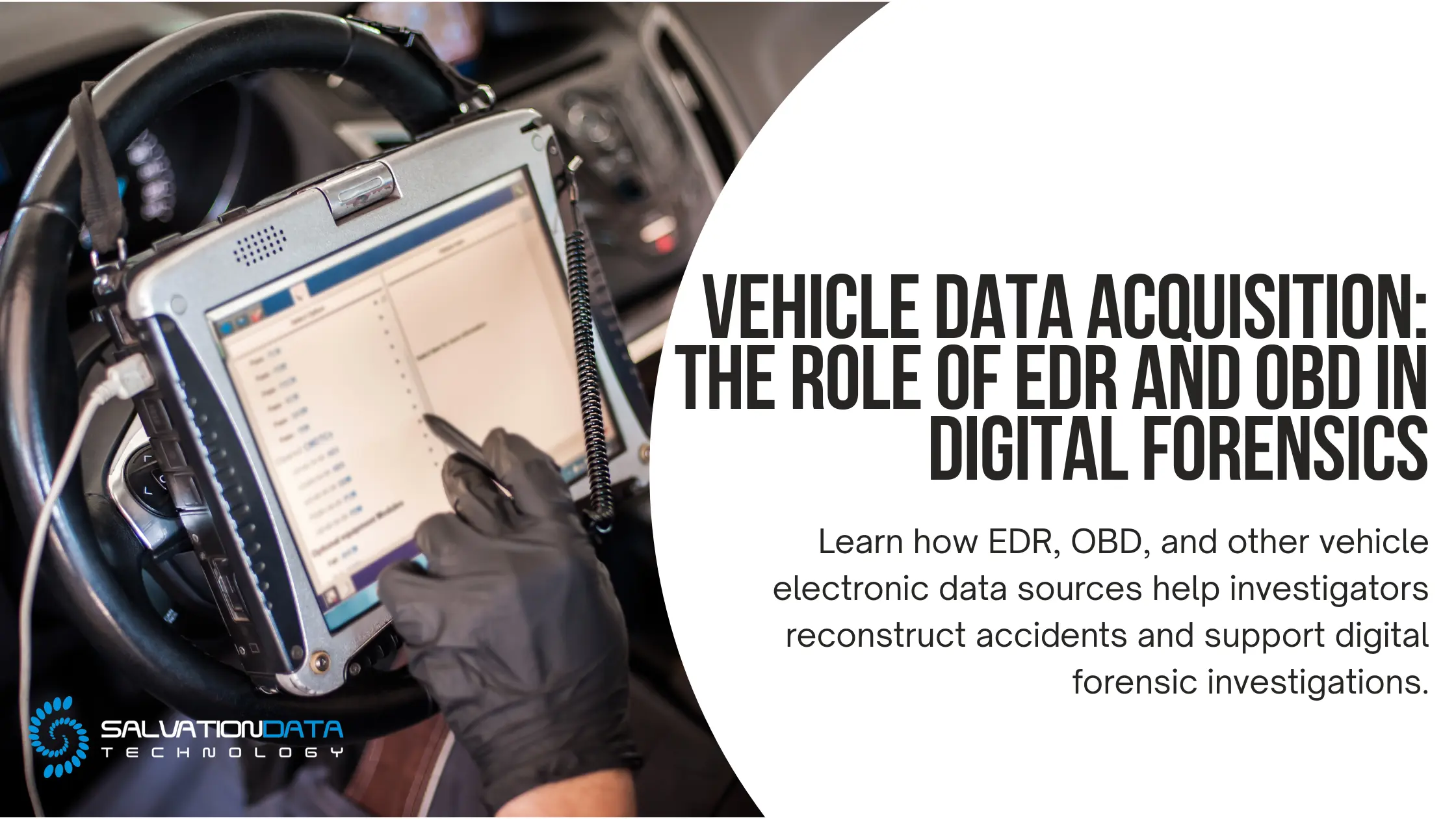
Modern vehicles now double as digital evidence sources. This guide breaks down how EDR and OBD data are located, retrieved, and analyzed in crash investigations — and how a proper vehicle forensic workflow turns raw data into courtroom-ready findings.
Explore how modern WhatsApp forensic investigations recover and analyze digital evidence from messages, databases, media, backups, and encrypted artifacts. Learn the key acquisition methods, database structures, encryption challenges, and practical investigation techniques used in today’s mobile forensic examinations.
SSD data recovery is more complex than HDD recovery due to TRIM, wear leveling, and controller-level data management. Explore why SSD recovery is harder and what factors affect recovery success.
XChat promotes itself as a secure messaging platform, but how verifiable are its security claims? This article examines XChat’s encryption, transparency, metadata exposure, and forensic implications compared with Signal, WhatsApp, and Telegram.

RAID 5 is a widely used storage configuration that balances performance, capacity, and fault tolerance. This guide explains how RAID 5 arrays work, compares them with other RAID levels, and explores their implications for server forensics and data recovery.

Privacy coins offer enhanced anonymity by design, but this comes at a cost: reduced traceability and increased forensic complexity. This article explores how privacy coins work, their core technologies, and the challenges they pose for digital investigations and compliance.

Artificial intelligence evidence is increasingly used in criminal investigations, raising new legal and technical questions. This article examines the key challenges surrounding the admissibility of AI evidence, including reliability, transparency, and judicial review standards in criminal justice.

Does a factory reset really erase your data? While it removes visible information, residual data may still persist due to how mobile storage, encryption, and deletion mechanisms work. This article examines factory resets from a digital forensics perspective, explaining what truly happens to data, what risks remain, and how users can better protect their information.
Telegram’s privacy-driven design presents unique forensic challenges. This article outlines key technical characteristics of Telegram and practical methods for effective forensic analysis and evidence extraction.