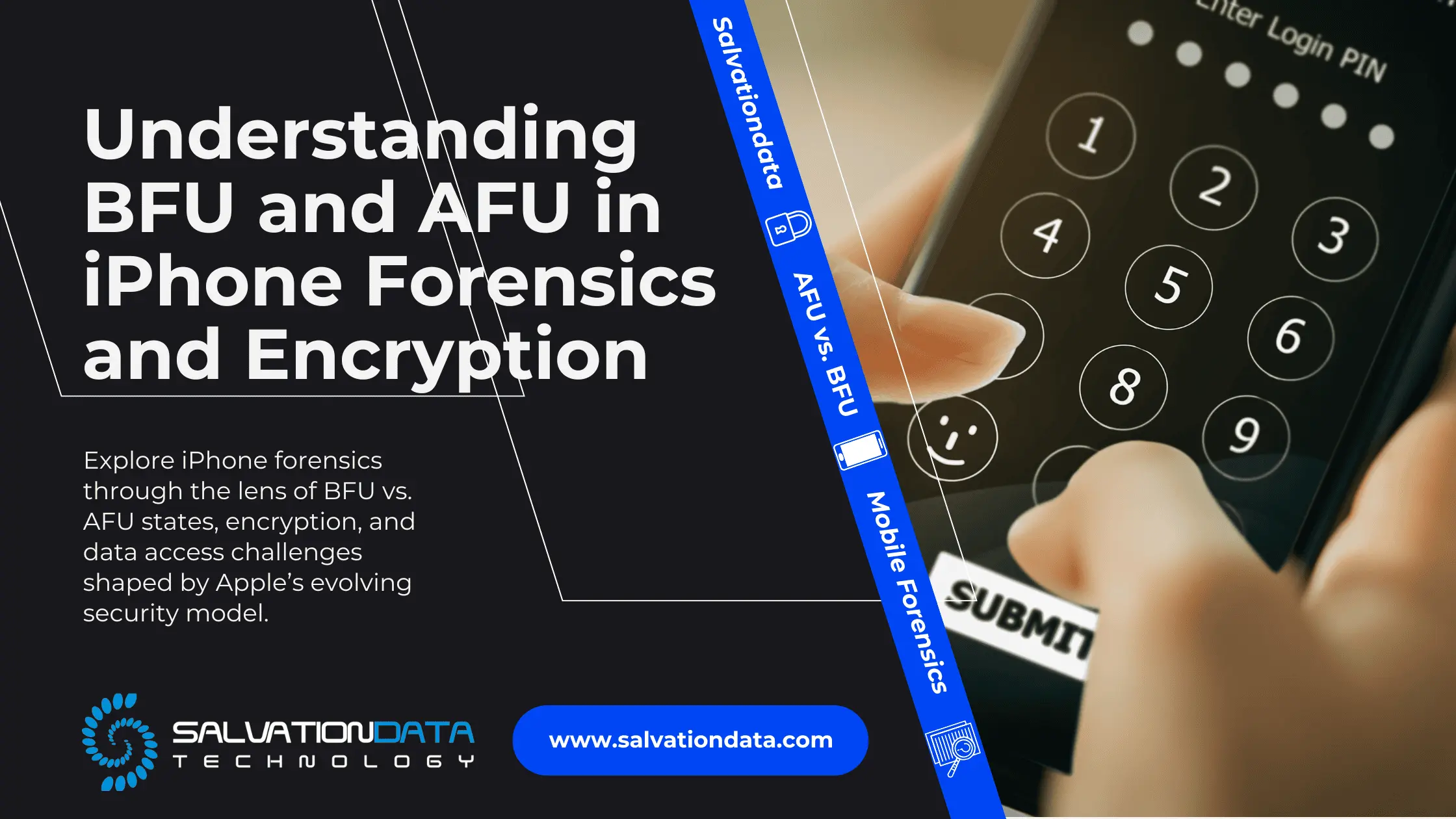
Understanding AFU vs BFU in iPhone Forensics and Encryption

Apple’s iPhone is widely regarded as one of the most secure consumer devices on the market. For digital forensics professionals, this strong security poses unique challenges—especially when dealing with the iPhone’s two key encryption states: Before First Unlock (BFU) and After First Unlock (AFU).

These states determine how much data is accessible based on whether the user has unlocked the device since the last reboot. The transition from BFU to AFU is controlled by a combination of hardware-based encryption, data protection classes, and the Secure Enclave Processor (SEP)—a dedicated chip responsible for handling sensitive operations like passcode verification and key management.

How To Enhances Video Forensics with VIP2.0

Video forensics is key to uncovering critical evidence. Yet video investigation often involves fragmented or interleaved footage, making analysis complex and time-consuming. VIP2.0 addresses this with powerful recovery and filtering tools. Its multi-channel capability can separate mixed video streams and selectively retrieve footage based on specific case needs—streamlining the investigation process and ensuring accuracy where it matters most.

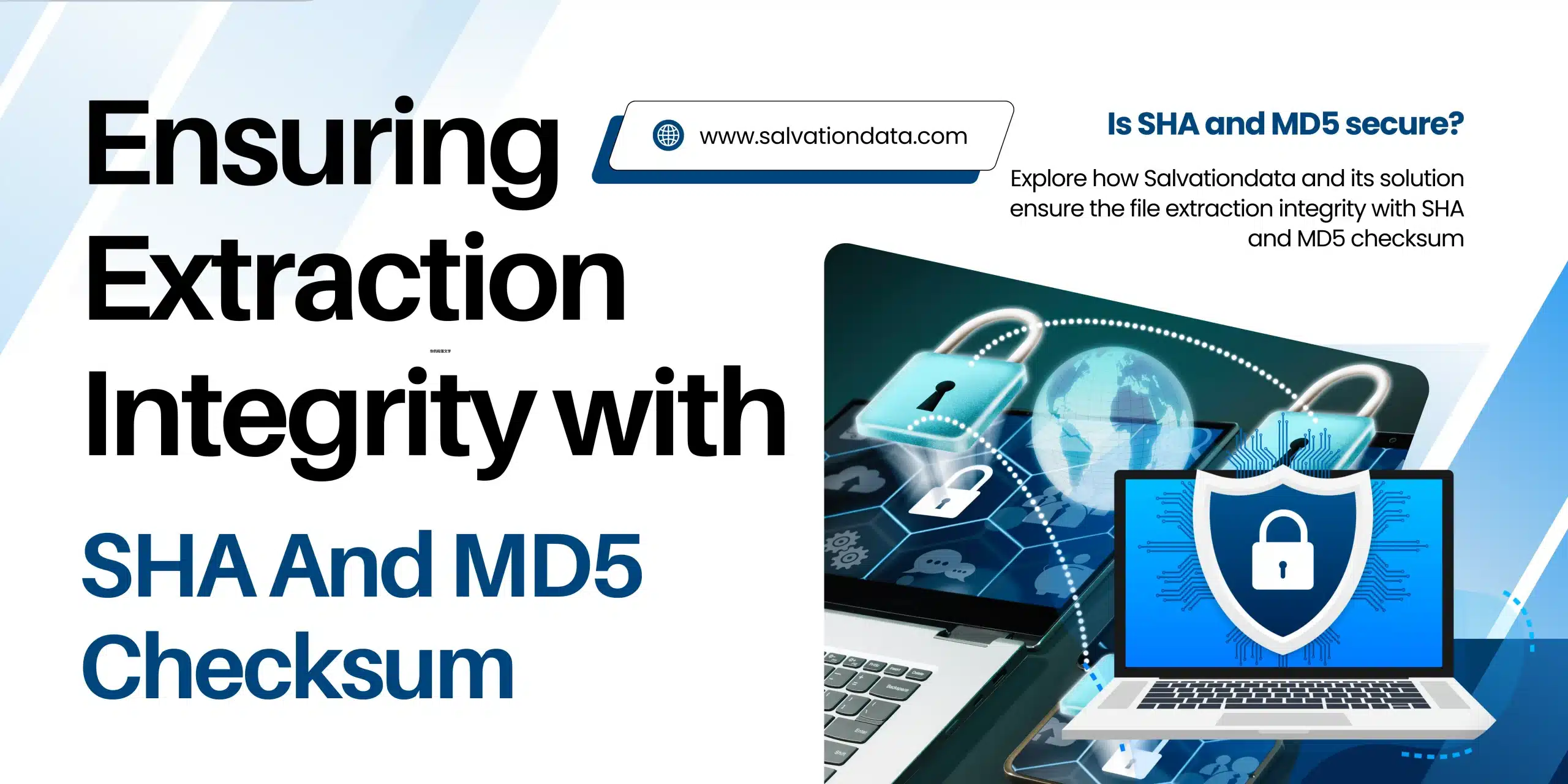
Ensuring File Extraction Integrity with SHA and MD5 Checksum

In the digital universe, where data reigns supreme, maintaining the integrity of file extraction is non – negotiable. MD5 and SHA checksums stand as two stalwart guardians in this domain. MD5, with its long – standing presence, offers speed and compatibility. SHA brings enhanced security. Together, they form a powerful duo, ensuring that files remain pristine during extraction, free from corruption and tampering.

10 Benefits of AFA9500 — The Key to 10X Faster Mobile Forensics in 2025

In 2025, the field of mobile forensics is at a critical juncture as the global smartphone market continues to expand significantly. Salvationdata’s AFA9500 is a creative forensic solution that comes at a time when the complexity of mobile device data and the inadequacies of traditional forensic methods have reached a critical point. This cutting-edge tool is more than just a product launch, it is a strategic response to the evolving needs of the mobile forensics field, in line with the industry’s need for greater efficiency and accuracy in the digital age.

Digital Forensics Certifications Help Guide 2025: Pathways to a Thriving Cybersecurity Career

In this guide, we highlight 2025’s most in-demand digital forensics roles and certifications required to excel in them. From Certified Forensic Computer Examiner (CFCE) for law enforcement specialists to GIAC Certified Forensic Analyst (GCFA) for corporate incident responders, we break down the credentials that align with today’s fastest-growing careers.

Key Trends in Digital Forensics for 2025: Technological Innovation and Core Challenges

As global connectivity grows, digital forensics has become essential to modern justice systems and cybersecurity. According to Grand View Research (2023), the global digital forensics market is projected to reach $18.2 billion by 2030, with a CAGR of 12.2%. This growth is driven by the proliferation of digital devices, cloud computing, AI, and IoT. However, these same technologies have also enabled more advanced cyber threats, from AI-generated fraud to cloud-based attacks. Digital forensics professionals must balance the challenge of combating misuse with adopting new tools to strengthen investigations. This article explores how cloud computing, AI, and IoT are shaping digital forensics in 2025, along with the technical hurdles they bring.

Cybersecurity and Digital Forensics-Their Critical Link

The 2017 WannaCry ransomware attack crippled global systems, encrypting data until ransoms were paid. While cybersecurity teams contained the breach, digital forensics experts traced its origins—highlighting their critical link: cybersecurity defends systems; digital forensics investigates breaches.

As crime evolves digitally, law enforcement and forensic teams face escalating threats. Cyberattacks disrupt infrastructure, fund crime, and exploit encrypted communications or IoT devices. Meanwhile, recovering evidence demands precision to meet legal standards.

This article clarifies how cybersecurity (preventing attacks) and digital forensics (analyzing breaches) form a lifecycle of protection and accountability. For agencies and forensic professionals, integrating both is non-negotiable. We’ll explore their synergy in combating threats, preserving evidence, and leveraging tools that bridge prevention (e.g., threat detection) and investigation (e.g., forensic imaging).

Whether securing networks or dissecting breaches, understanding this intersection ensures resilience in a hyperconnected world.

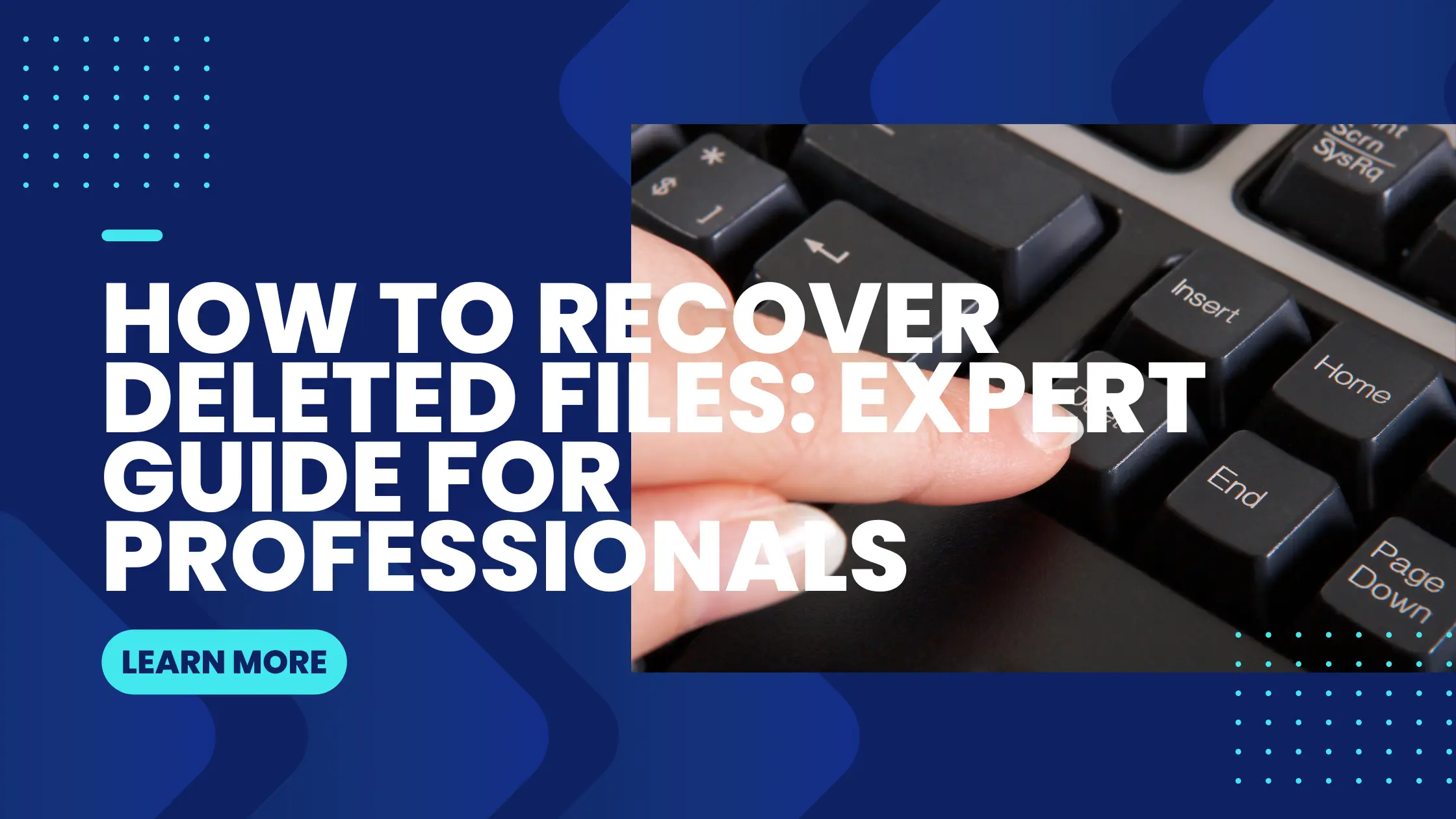
How to Recover Deleted Files: Expert Guide for Professionals

Imagine losing important files that hold critical value, either personally or professionally. It’s a scenario many dread, especially in a fast-paced digital world where data loss can occur due to accidental deletion, system crashes, or malicious attacks.

Not only is recovering erased files convenient, but it’s also necessary for companies, court cases, and people who need access to important information. Understanding how to recover deleted information may help you save time, money, and worry, regardless of your level of experience with digital forensics.

This comprehensive guide explores how to recover deleted files using advanced tools and proven strategies. From understanding the importance of file recovery in digital forensics to choosing the right tools, you’ll learn everything needed to recover data effectively and professionally.

Axon Evidence: Streamlined Digital Evidence Management

Imagine losing important files that hold critical value, either personally or professionally. It’s a scenario many dread, especially in a fast-paced digital world where data loss can occur due to accidental deletion, system crashes, or malicious attacks.

Not only is recovering erased files convenient, but it’s also necessary for companies, court cases, and people who need access to important information. Understanding how to recover deleted information may help you save time, money, and worry, regardless of your level of experience with digital forensics.

This comprehensive guide explores how to recover deleted files using advanced tools and proven strategies. From understanding the importance of file recovery in digital forensics to choosing the right tools, you’ll learn everything needed to recover data effectively and professionally.

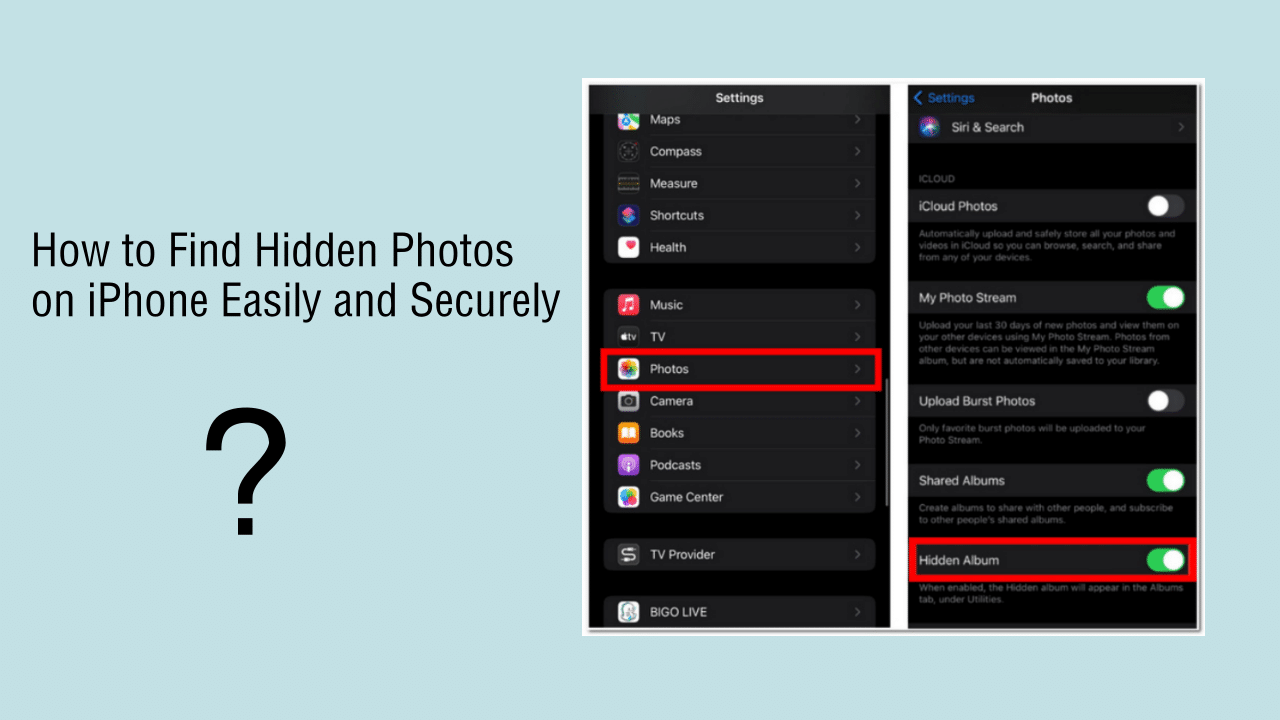
How to Find Hidden Photos on iPhone Easily and Securely

Imagine losing important files that hold critical value, either personally or professionally. It’s a scenario many dread, especially in a fast-paced digital world where data loss can occur due to accidental deletion, system crashes, or malicious attacks.

Not only is recovering erased files convenient, but it’s also necessary for companies, court cases, and people who need access to important information. Understanding how to recover deleted information may help you save time, money, and worry, regardless of your level of experience with digital forensics.

This comprehensive guide explores how to recover deleted files using advanced tools and proven strategies. From understanding the importance of file recovery in digital forensics to choosing the right tools, you’ll learn everything needed to recover data effectively and professionally.